Jinan Photolithography Intelligence Technology Co., LTD
Intelligence Shapes the Future
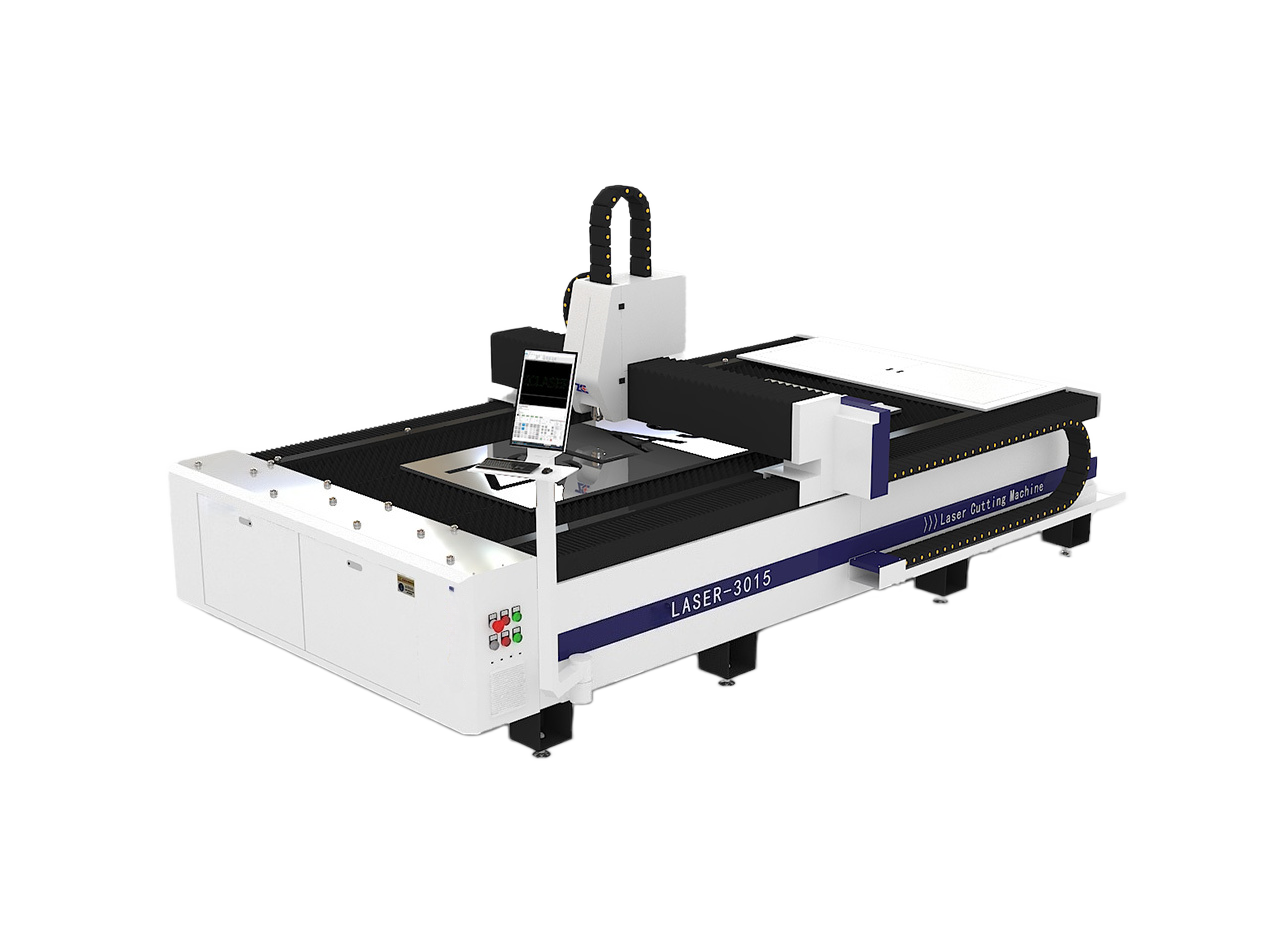
Fiber Laser Cutting Machine
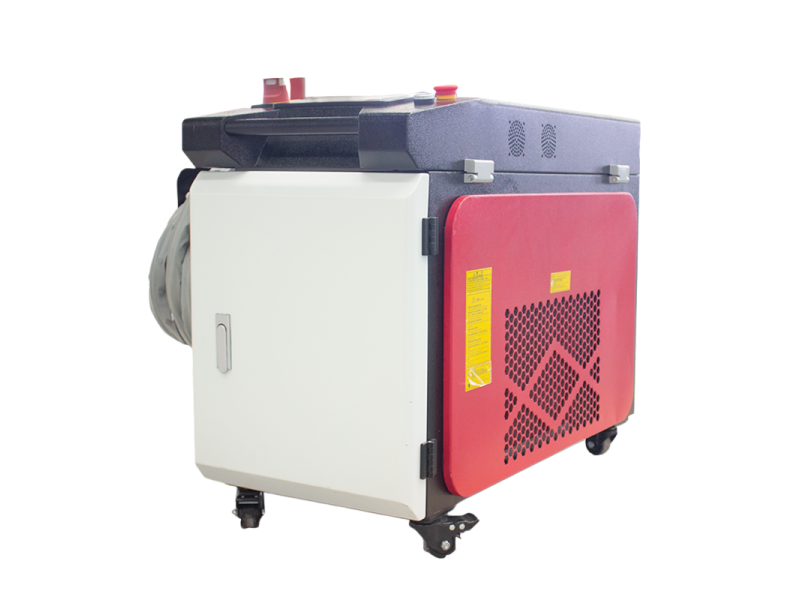
Laser Welding Machine
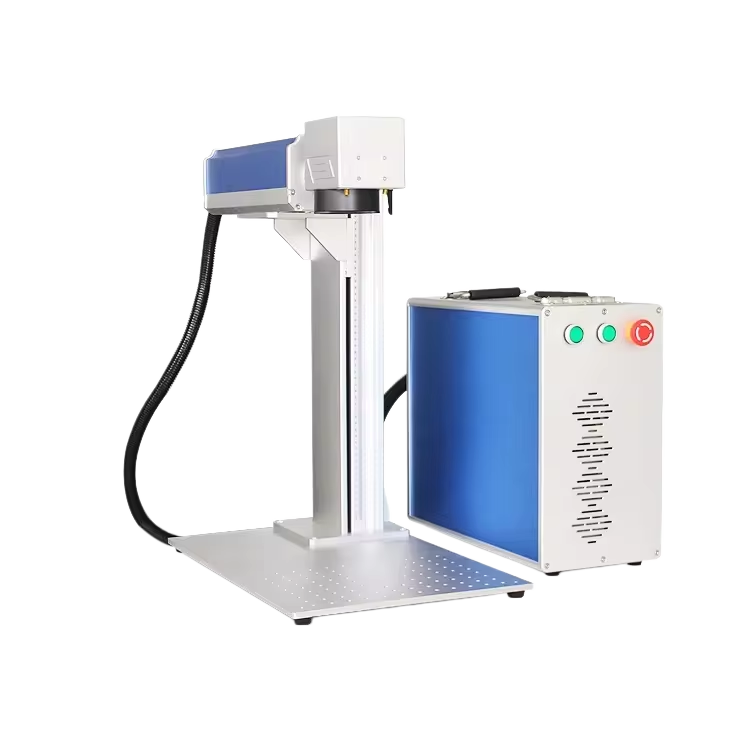
Laser Marking Machine
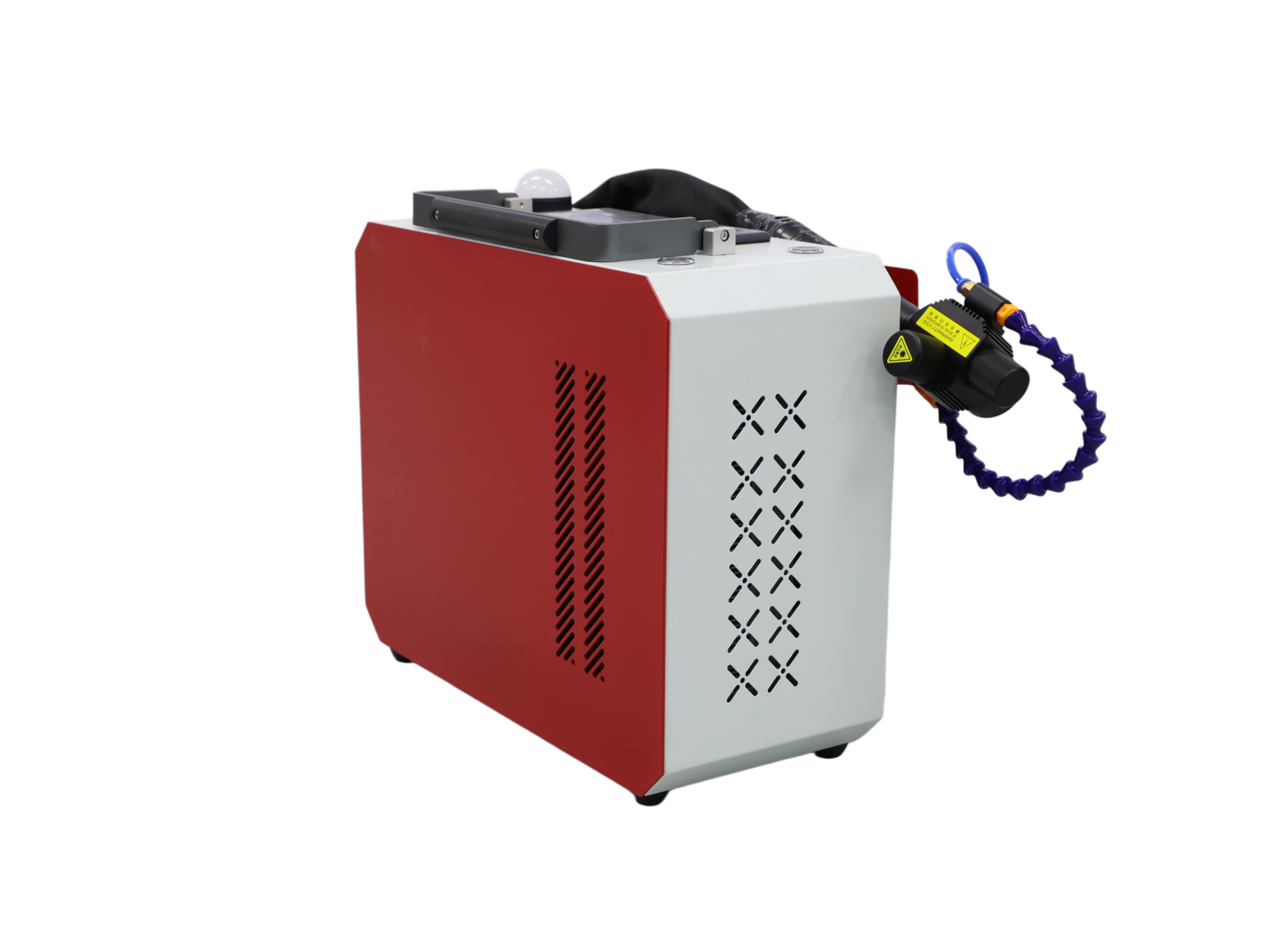
Laser Cleaning Machine
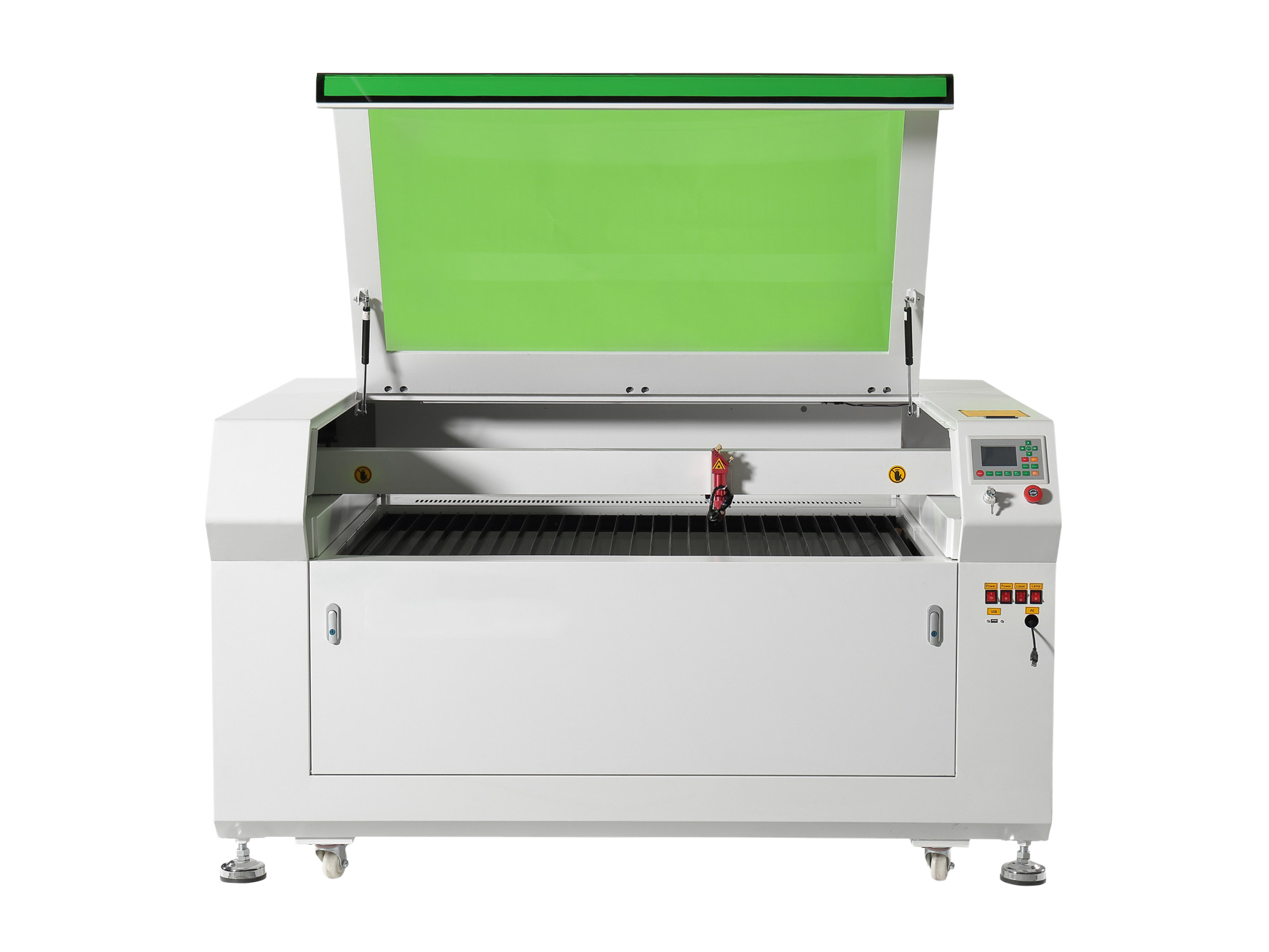
CO2 Non-Metal Cutting & Engraving Machine
Laser Glass Processing Equipment
Fiber laser cutting machines use a fiber laser as their light source and rely on optical fibers to transmit high-energy laser beams. After the beam is focused, it melts and vaporizes the metal sheet to complete the cutting process. Depending on the workpiece, these machines can be categorized into sheet metal cutting models and tube cutting models. Most operate in continuous laser output mode, offering high processing efficiency and fast cutting speeds, as well as clean, precise cuts. They are widely used for blanking and forming operations on various metal materials.
Laser welding machines utilize a laser source to emit a high-energy laser beam, which is focused to melt the contact surfaces of the workpieces and complete the weld. Mainstream fiber-optic models are suitable for metals such as stainless steel, carbon steel, and aluminum alloys. They offer particular advantages for welding thin sheets, featuring fast welding speeds and producing smooth, aesthetically pleasing welds. The equipment is simple and easy to operate, making it suitable for welding workpieces in industries such as hardware components, sheet metal fabrication, kitchen and bathroom fixtures, and new energy components. When paired with fixtures or robotic arms, it can also achieve automated batch processing.
Laser marking machines use lasers to emit high-energy laser beams, creating permanent engravings on material surfaces. They come in various models, including fiber, UV, and CO₂ types, each suited for different materials such as metal, plastic, glass, leather, and wood; The resulting markings are clear, durable, and resistant to wear and tear. The process requires no consumables, offers high stability, and is easy to operate. It is widely used for engraving model numbers, logos, and production dates on products such as hardware, electronic components, packaging, jewelry, and medical devices.
Laser cleaning machines use high-energy laser beams to remove impurities such as rust, paint, oil stains, and scale from the surface of workpieces. They are generally classified into two types: continuous and pulsed; Continuous-wave systems feature high power and cleaning efficiency, making them suitable for removing large areas of thick rust and paint; pulsed systems offer high peak energy with minimal heat affect zones, causing no damage to the base material, and are ideal for precision cleaning of delicate and thin workpieces. The entire system operates dry without chemical consumables, is environmentally friendly and pollution-free, and can be operated flexibly as a handheld unit or integrated with robotic arms for automated operations. It is widely used in fields such as metal rust removal, weld seam cleaning, mold refurbishment, and equipment maintenance.
CO₂ laser engraving and cutting machines use a carbon dioxide laser as their light source. These are glass-tube CO₂ lasers that utilize infrared laser energy to burn and vaporize materials to perform engraving and cutting operations. They are primarily suited for non-metallic materials such as acrylic, wood, leather, fabric, paper, rubber, and ceramics; The equipment delivers precise cutting and engraving with crisp, clear patterns. It is easy to operate and features no tool wear, making it suitable for producing crafts, advertising signage, packaging models, and fabric embroidery. Some models are equipped with a lifting platform, enabling processing of workpieces of varying thicknesses.
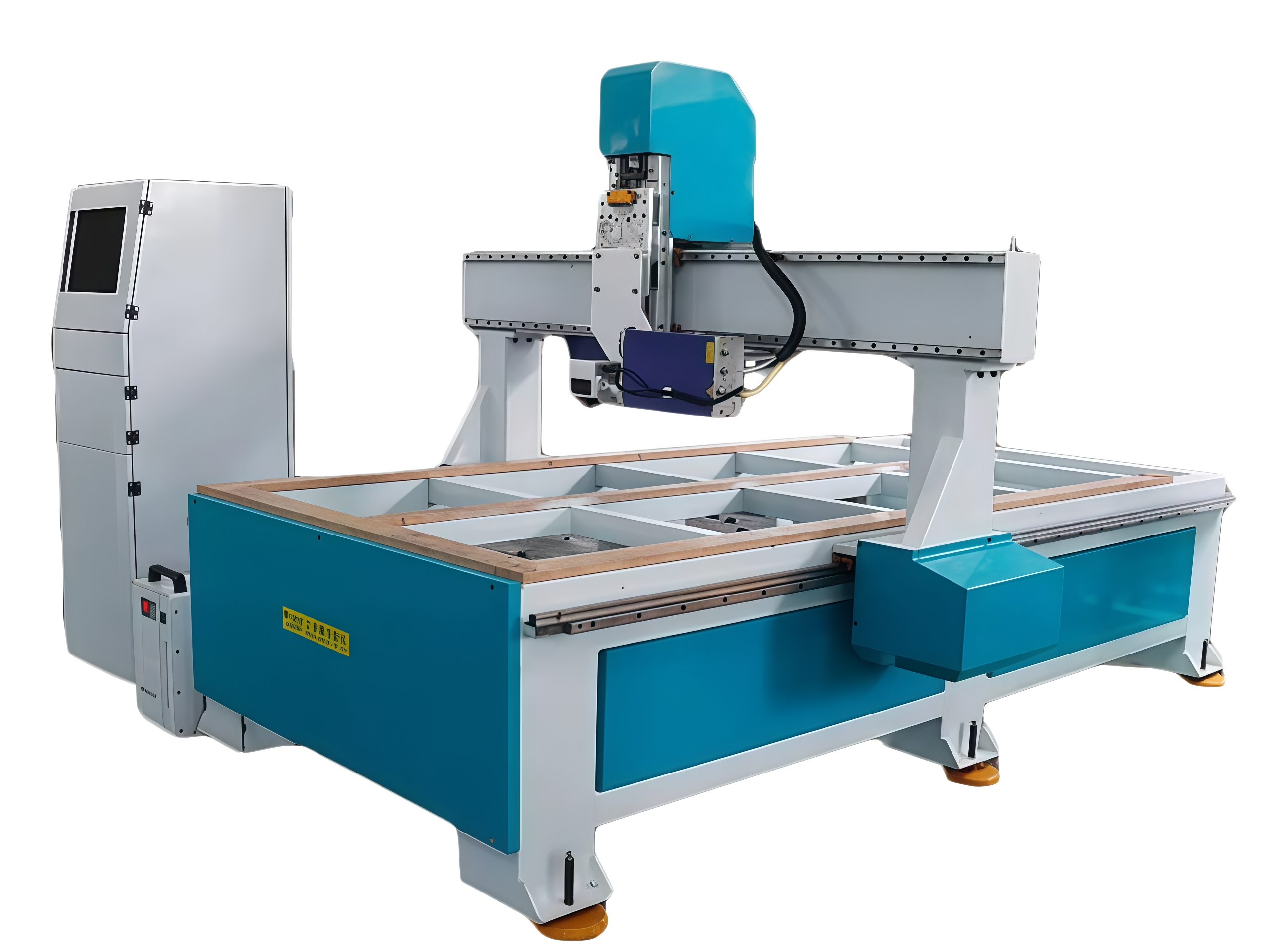
Laser glass processing equipment is modern machinery that uses laser technology to perform non-contact precision processing on glass. It primarily includes four core functions: laser glass sandblasting, which uses a high-energy laser beam to create a uniform frosted effect on the glass surface—an environmentally friendly process that requires no consumables; Laser glass drilling enables precise drilling of holes ranging from 0.02 mm to 5 mm in diameter, with glass thicknesses up to 20 mm and no chipping; laser mirror paint removal can remove mirror coatings without damage, achieving integrated sandblasting and paint removal; Red-skin glass cutters, also known as infrared picosecond laser cutters, utilize picosecond-level ultra-short pulses to achieve “cold processing,” cutting thick glass without chipping and producing smooth edges. This type of equipment is widely used in industries such as smart mirrors, home appliances, and photovoltaics, offering significant advantages in terms of high precision, high efficiency, and environmental friendliness.